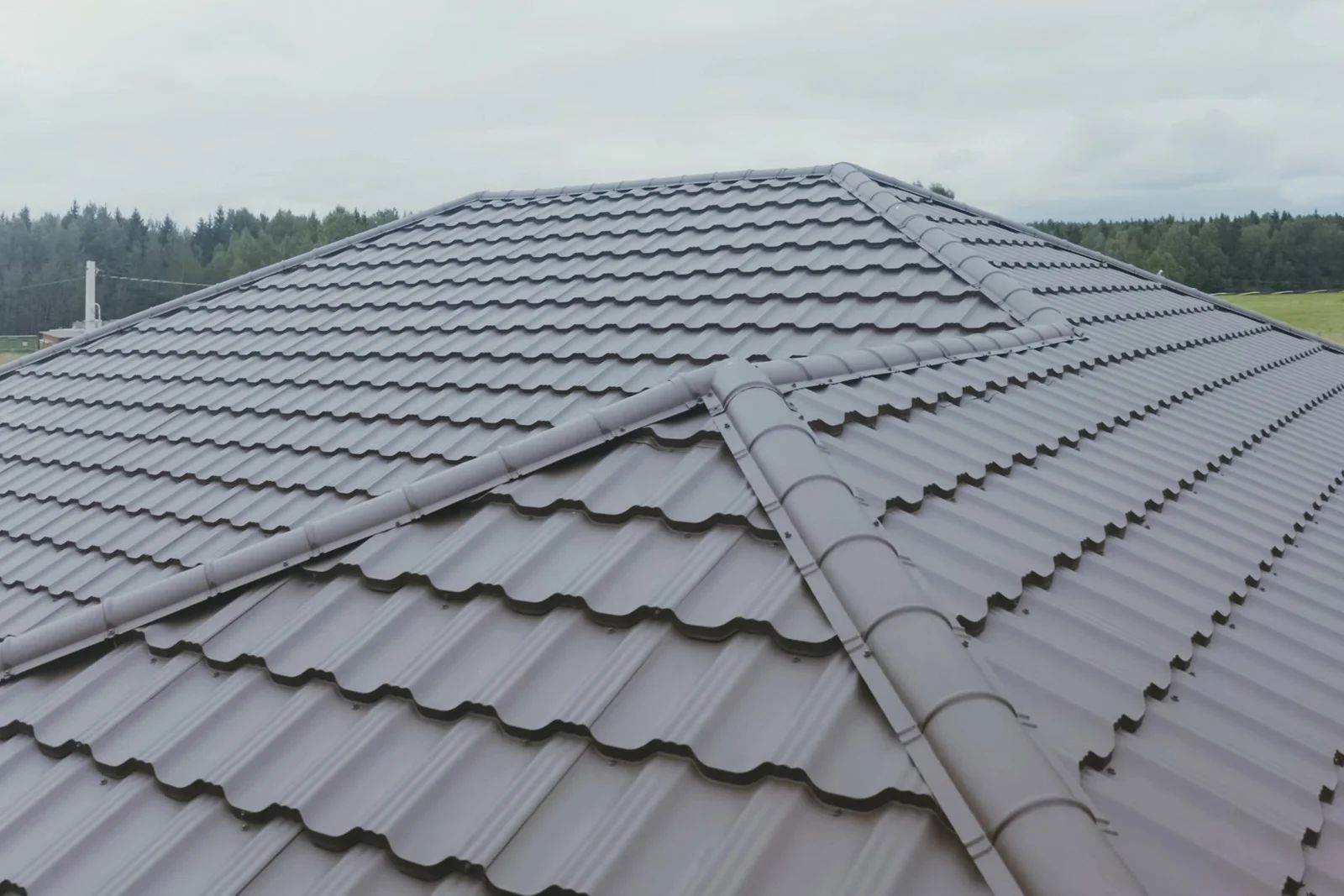

Why Aluminum Roofs Are the Smart Choice for Florida Homes
December 29, 2025
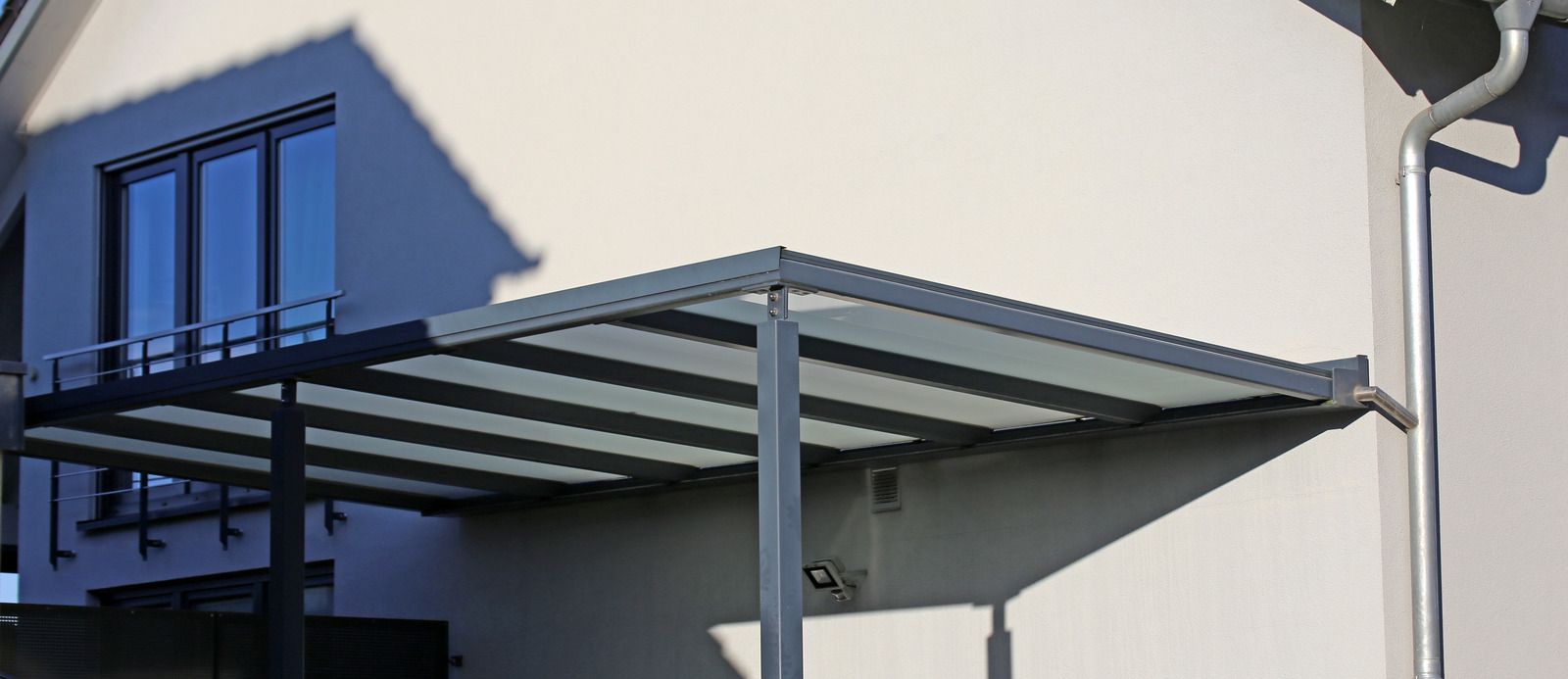
Choosing the right roofing material is one of the most important decisions homeowners in Florida face. With the state’s unique climate—characterized by intense sun, frequent rainfall, and hurricane-prone conditions—residential roofs must offer superior durability, weather resistance, and energy efficiency. Traditional roofing materials, such as asphalt shingles or clay tiles, often struggle to maintain their integrity under these conditions. As homeowners increasingly prioritize long-term performance and cost-effectiveness, aluminum roofing has emerged as a preferred solution. Not only does it provide exceptional protection against environmental stressors, but it also delivers aesthetic versatility, contributing to both the value and curb appeal of a home.
In addition to durability, aluminum roofs offer homeowners practical advantages that directly impact comfort and energy consumption. Florida’s high summer temperatures and intense UV exposure can make indoor cooling a constant challenge. Aluminum’s reflective properties reduce heat absorption, helping maintain cooler interior temperatures and lowering energy bills. Furthermore, aluminum is lightweight, corrosion-resistant, and highly adaptable to various architectural styles, making it an ideal fit for both modern and traditional homes. In this blog, we’ll explore why aluminum roofing is a smart, forward-thinking investment for Florida homeowners, examining its benefits, performance in extreme conditions, and long-term value.
1. Exceptional Durability in Florida’s Climate
1.1 Resistance to Hurricanes and High Winds
Florida is no stranger to hurricanes and tropical storms, making wind resistance a critical factor in roofing material selection. Aluminum roofs are engineered to withstand extreme wind speeds, often exceeding 140 mph. Unlike asphalt shingles, which can peel or blow off during storms, aluminum panels remain intact due to their interlocking design and flexibility. Homeowners benefit from reduced repair costs and greater peace of mind knowing their roof can endure severe weather events.
1.2 Corrosion and Moisture Resistance
Florida’s humid environment and frequent rainstorms create ideal conditions for roof deterioration. Aluminum naturally resists corrosion, rust, and water damage, unlike steel or other metal options that may require frequent treatment or maintenance. This resistance ensures the roof maintains its structural integrity for decades, even in coastal areas where saltwater exposure is a concern.
1.3 Longevity Compared to Traditional Materials
The average lifespan of an asphalt shingle roof ranges between 15 to 20 years, while aluminum roofs can last 40 to 60 years with minimal maintenance. This longevity translates into fewer roof replacements over a homeowner’s lifetime, offering significant savings and reducing the environmental impact associated with frequent material disposal.
2. Energy Efficiency and Cost Savings
2.1 Reflective Properties Reduce Heat Gain
Aluminum roofs reflect a significant portion of sunlight, reducing heat absorption and helping maintain cooler indoor temperatures. This reflective quality decreases reliance on air conditioning, which is particularly valuable in Florida’s scorching summer months. Homeowners can expect noticeable reductions in energy bills, sometimes saving 10–25% annually on cooling costs.
2.2 Compatibility with Cool Roof Coatings
Many aluminum roofing systems are compatible with reflective “cool roof” coatings, further enhancing energy efficiency. These coatings improve solar reflectance and thermal emittance, ensuring homes stay cooler and energy consumption is minimized.
2.3 Long-Term Financial Benefits
While aluminum roofing may have a higher upfront cost than asphalt or concrete, its energy efficiency, durability, and minimal maintenance requirements make it cost-effective over the long term. Reduced energy bills, fewer repairs, and extended lifespan create a lower total cost of ownership, reinforcing aluminum as a smart investment for Florida homeowners.
3. Minimal Maintenance Requirements
3.2 Resistance to Wear and Tear
Due to its flexibility and corrosion resistance, aluminum is less likely to crack, warp, or develop leaks compared to other roofing materials. This reduces the need for frequent inspections and costly repairs.
3.3 Environmentally Friendly Maintenance
Aluminum is 100% recyclable, and many aluminum roofs contain a significant portion of recycled material. This makes maintenance and eventual replacement more sustainable compared to non-recyclable materials, supporting eco-conscious homeowners in Florida who prioritize environmental responsibility.
4. Versatility in Design and Aesthetics
4.1 Wide Range of Styles and Colors
Aluminum roofing is available in various profiles, including standing seam, corrugated panels, and shingles, allowing homeowners to match their roof to any architectural style. The material can also be coated in multiple colors and finishes, providing long-lasting aesthetics that do not fade easily under intense sunlight.
4.2 Customization for Unique Architectural Needs
Florida homes often feature complex roof designs, including slopes, curves, and extensions. Aluminum’s lightweight and malleable nature allows it to be shaped and customized without compromising durability. Homeowners can achieve a visually striking roof that enhances both curb appeal and property value.
4.3 Seamless Integration with Solar Panels
For environmentally conscious homeowners, aluminum roofs offer excellent compatibility with solar panel installations. Their strength and corrosion resistance provide a stable, long-lasting foundation, ensuring that solar systems remain securely mounted and function efficiently for decades.
5. Environmental and Sustainability Advantages
5.1 Recyclability and Eco-Friendly Manufacturing
Aluminum is one of the most recyclable materials in the world. Installing an aluminum roof contributes to environmental sustainability by reducing landfill waste and reliance on virgin materials. Additionally, many manufacturers produce aluminum roofing with a high percentage of recycled content, further minimizing the environmental footprint.
5.2 Energy Savings Contribute to Carbon Reduction
By reducing heat gain and lowering energy consumption, aluminum roofs indirectly reduce carbon emissions associated with electricity generation. Florida homeowners who install energy-efficient aluminum roofs can take an active role in promoting environmental stewardship while enjoying lower utility costs.
5.3 Reduced Waste Over Lifespan
Due to aluminum’s durability and extended lifespan, fewer roof replacements are required over decades. This long-term resilience translates into less material waste, fewer manufacturing resources consumed, and overall reduction of the environmental impact of roofing.
6. Real-World Benefits and Practical Considerations
6.1 Proven Performance in Florida Homes
Numerous Florida homeowners have successfully installed aluminum roofs and report satisfaction with their performance during hurricane season, heavy rainstorms, and intense heat waves. Case studies highlight the roof’s ability to withstand high winds, prevent water infiltration, and maintain indoor comfort year-round.
6.2 Insurance and Resale Advantages
Insurance companies often recognize aluminum roofs for their durability and resistance to wind and fire. Homeowners may receive reduced premiums compared to traditional roofing materials. Moreover, aluminum roofs enhance property resale value, appealing to buyers who appreciate low-maintenance, long-lasting homes.
6.3 Best Practices for Installation
To maximize performance, aluminum roofs must be installed by experienced professionals familiar with Florida building codes and weather conditions. Proper underlayment, fasteners, and panel alignment ensure optimal wind resistance and longevity. Homeowners should also schedule periodic inspections to maintain warranties and confirm that protective coatings remain intact.
7. Challenges and Solutions
7.1 Higher Initial Investment
The primary challenge of aluminum roofing is its higher upfront cost compared to asphalt or composite materials. However, the long-term savings in energy, maintenance, and roof replacement often outweigh the initial expense.
7.2 Noise During Rainstorms
Some homeowners may notice increased noise from rain or hail on metal roofs. This issue can be mitigated by adding appropriate insulation, underlayment, or sound-dampening materials during installation.
7.3 Color Fading and Scratches
While aluminum is durable, exposure to Florida’s harsh sun can cause slight color fading over time. Choosing high-quality coatings and finishes ensures long-lasting aesthetics. Regular inspections can also prevent minor scratches from escalating into cosmetic concerns.
8. Long-Term Value and Investment Potential
8.1 Appreciation of Property Value
8.2 Reduced Lifecycle Costs
When considering the total cost of ownership—initial installation, maintenance, energy savings, and lifespan—aluminum roofs offer a compelling financial advantage. Over decades, homeowners save substantially compared to materials that require frequent repairs or early replacement.
8.3 Peace of Mind for Homeowners
Ultimately, the long-term reliability and weather-resistant properties of aluminum roofing provide homeowners with peace of mind. Knowing that the roof can withstand Florida’s unique environmental challenges allows homeowners to focus on other aspects of home maintenance and lifestyle.
Trusted Professionals Ensuring High-Quality Roof Performance
For homeowners seeking a trustworthy, experienced roofing partner, AC Shutters and Awnings Inc
of Miami, Florida, brings over 30
years of expertise in providing
high-quality aluminum roofing
solutions. Our team understands the unique challenges of Florida’s climate and delivers customized, professional installations that combine durability, energy efficiency, and aesthetic appeal. With a commitment to excellence, reliability, and customer satisfaction, we ensure that your aluminum roof is not just a purchase, but a long-term investment in the safety, comfort, and value of your home.